This project utilizes the power of design and dialogue to overcome psychological barriers associated with Advance Care Planning: a shared challenge in both the U.S. and Japan. In partnership with the U.S. design studio Verynice, the initiative is developing a multilingual website and an English-language app for the 414 (Yoishi, “good death”) Cards, a tool designed to help individuals rediscover their personal values. By leveraging digital technology to facilitate cross-cultural conversations on life and death, the project fosters mutual understanding and supports a society where individuals can live authentically until the very end, even in the face of illness.
Location: Tokyo, Japan
Grant Awarded: $3,500

Led by Auttrianna Projects, Too Much Like Right is a curriculum-based public humanities initiative exploring interconnected legacies of Japanese American redress alongside contemporary Black reparations efforts in San Francisco. Anchored in Auttrianna Ward’s film, the project brings together Black histories in the Bayview and Fillmore with the legacy of Japanese American incarceration and redress. The initiative centers on a modular curriculum for museums, universities, and classrooms, combining film, historical analysis, and place-based learning. It also includes a digital and print Educational Heritage Map highlighting sites such as Japantown and the Fillmore, alongside educator guides and essays. By fostering cross-community dialogue, the initiative strengthens U.S.-Japan understanding through public education and shared histories of civic advocacy.
Location: San Francisco, CA
Grant Awarded: $25,000
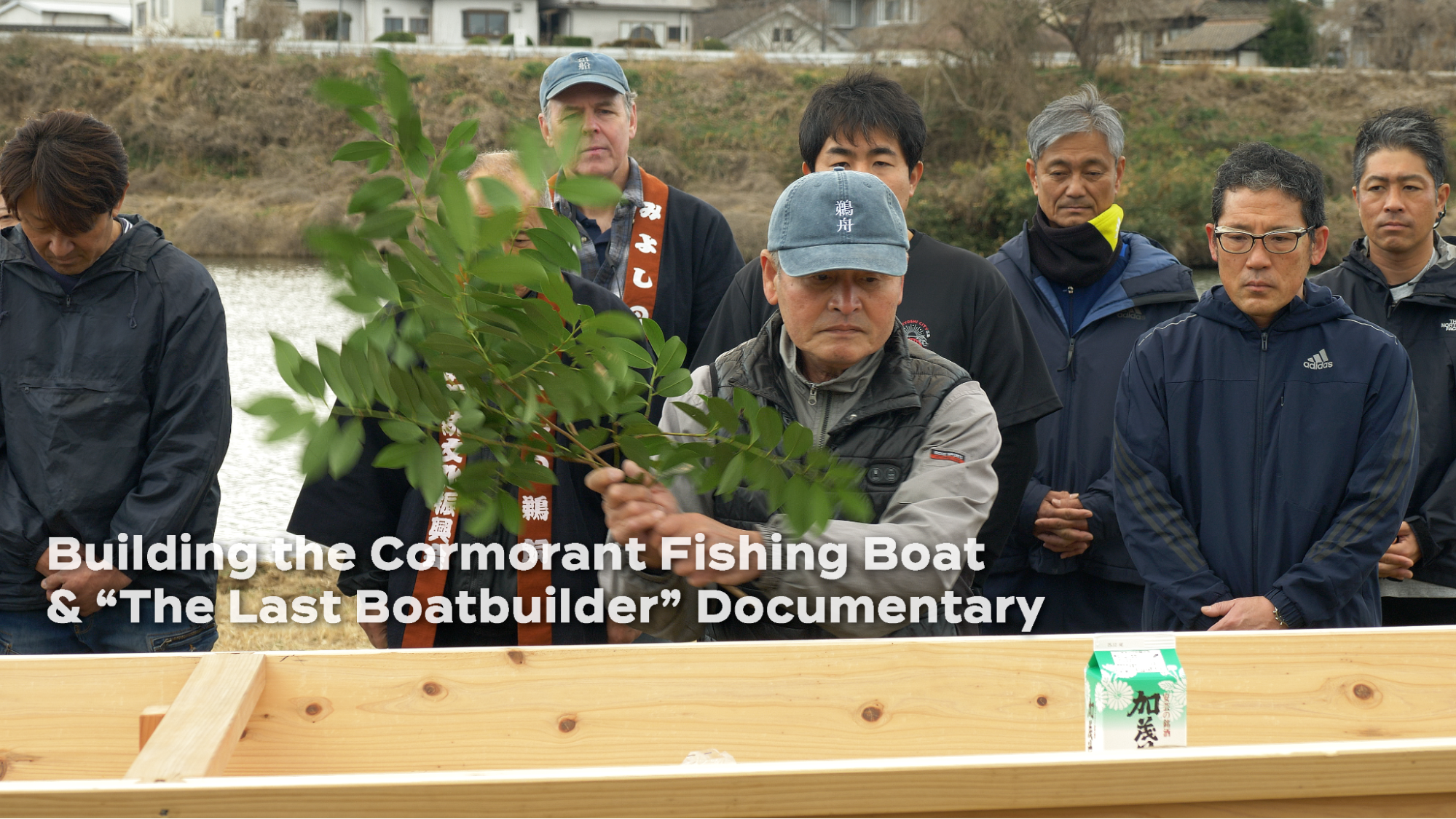
This project, American boatbuilder Douglas Brooks and filmmaker Chikara Motomura document the construction of traditional cormorant fishing boats (ukaibune) in Miyoshi, Japan. By apprenticing with the region’s last master builder, the team will record "secret" dimensions and techniques through detailed drawings and film. This initiative aims to help preserve a 450-year-old craft tradition currently facing extinction. Through an instructional book, illustrated with drawings and photographs, and a documentary (The Last Boatbuilder), the project ensures this cultural heritage remains accessible to future craftspeople, strengthening U.S.-Japan cultural exchange.
Location: Vergennes, VT
Grant Awarded: $15,000
This is a project aimed at developing the Japanese edition of the Stanford Social Innovation Review (SSIR) into an "International Knowledge Port" between the United States and Japan. Based at Shizenkan University, the initiative creates a bidirectional cycle where U.S.-born theories are tested on the ground in Japan, while unique Japanese practical wisdom is shared back with the global community. By implementing a participatory model where pro bono professionals manage operations, the project fosters dialogue to address shared challenges such as the climate crisis and social isolation. Ultimately, the initiative strengthens East Asian collaboration and connects global knowledge to local implementation, establishing a sustainable public infrastructure to support social innovation.
Location: Tokyo, Japan
Grant Awarded: $120,000 over three years
With this project, Feed the City utilizes wine tourism as a catalyst for rural revitalization in Hokkaido, Japan. Building on intensive fieldwork in regions like Yoichi and Niseko, the initiative addresses systemic barriers such as labor shortages and hospitality gaps. Key components include launching the Hokkaido Harvest Residency to support winemakers and developing sustainable, luxury tourism models. By establishing a year-round economic framework, the project aims to combat regional depopulation while funding a new non-profit dedicated to Japan’s agricultural heritage.
Location: Columbia, SC
Grant Awarded: $25,000
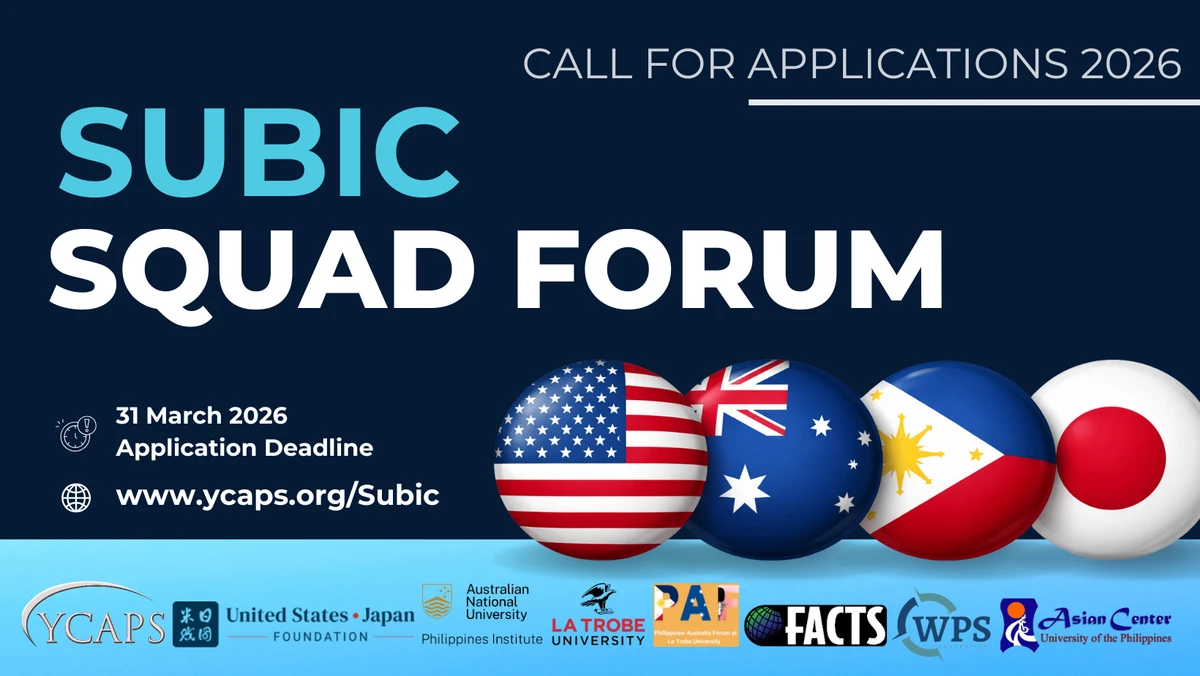
Organized by the Yokosuka Council on Asia-Pacific Studies (YCAPS), the Subic SQUAD Forum is a year-long initiative strengthening U.S.-Japan leadership within the emerging U.S.-Japan-Australia-Philippines security framework. The program convenes sixteen early-career professionals for mentored policy research, webinars, and an intensive workshop in Subic Bay. By producing actionable briefs and attending the Manila Dialogue, participants bridge academic analysis with regional diplomacy. This project cultivates a transnational expert network, ensuring sustainable cooperation and developing future Indo-Pacific security leaders.
Location: Bryan, TX
Grant Awarded: $23,003
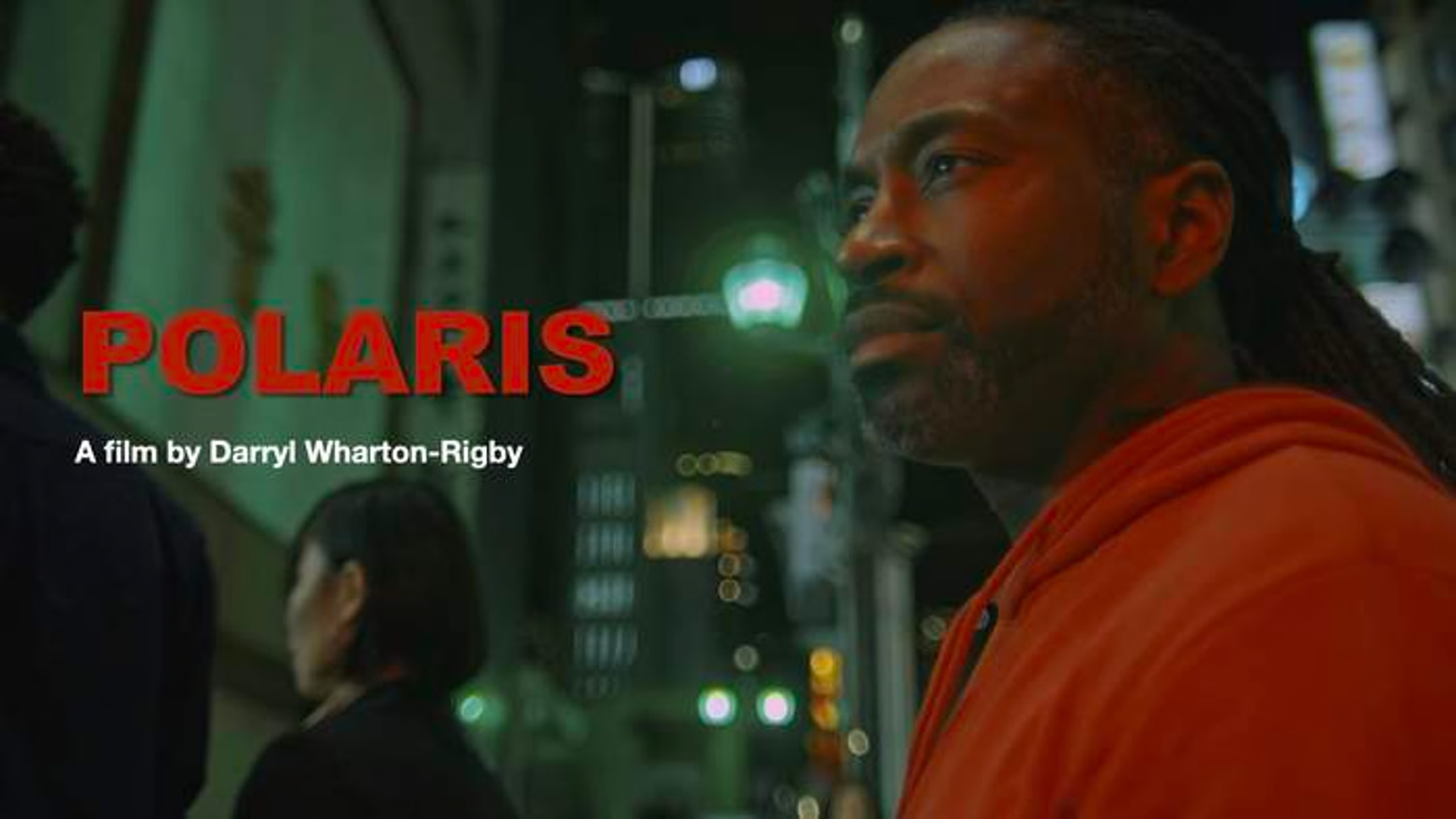
Led by filmmaker Darryl Wharton-Rigby and starring Okieriete Onaodowan, Polaris is a narrative feature exploring cultural identity and migration through the journey of an African American chef traveling from Baltimore to Japan to fulfill his late father’s final wish. Set within contemporary Japan, the film presents a cross-cultural story that challenges simplified representations of both societies while highlighting shared human experiences. Developed through a bilingual process and sustained creative partnerships in the United States and Japan, Polaris reflects a commitment to authentic, collaborative storytelling. The project aims to strengthen U.S.-Japan cultural dialogue through international screenings, community engagement, and educational programming.
Location: Baltimore, MD
Grant Awarded: $20,000
"Everyday Systems: How We Learn to Live Together" is a documentary series and public engagement initiative exploring how Japanese civic practices, such as waste management and neighborhood coordination, build social trust. Produced by Akiya Collective, the project features eight short films documenting ordinary life and community stewardship in Nagano Prefecture. By pairing these stories with facilitated screenings and educational resources in the United States, the initiative fosters cross-cultural dialogue on how small, collective acts contribute to social cohesion in both nations.
Location: Nagano, Japan
Grant Awarded: $25,000
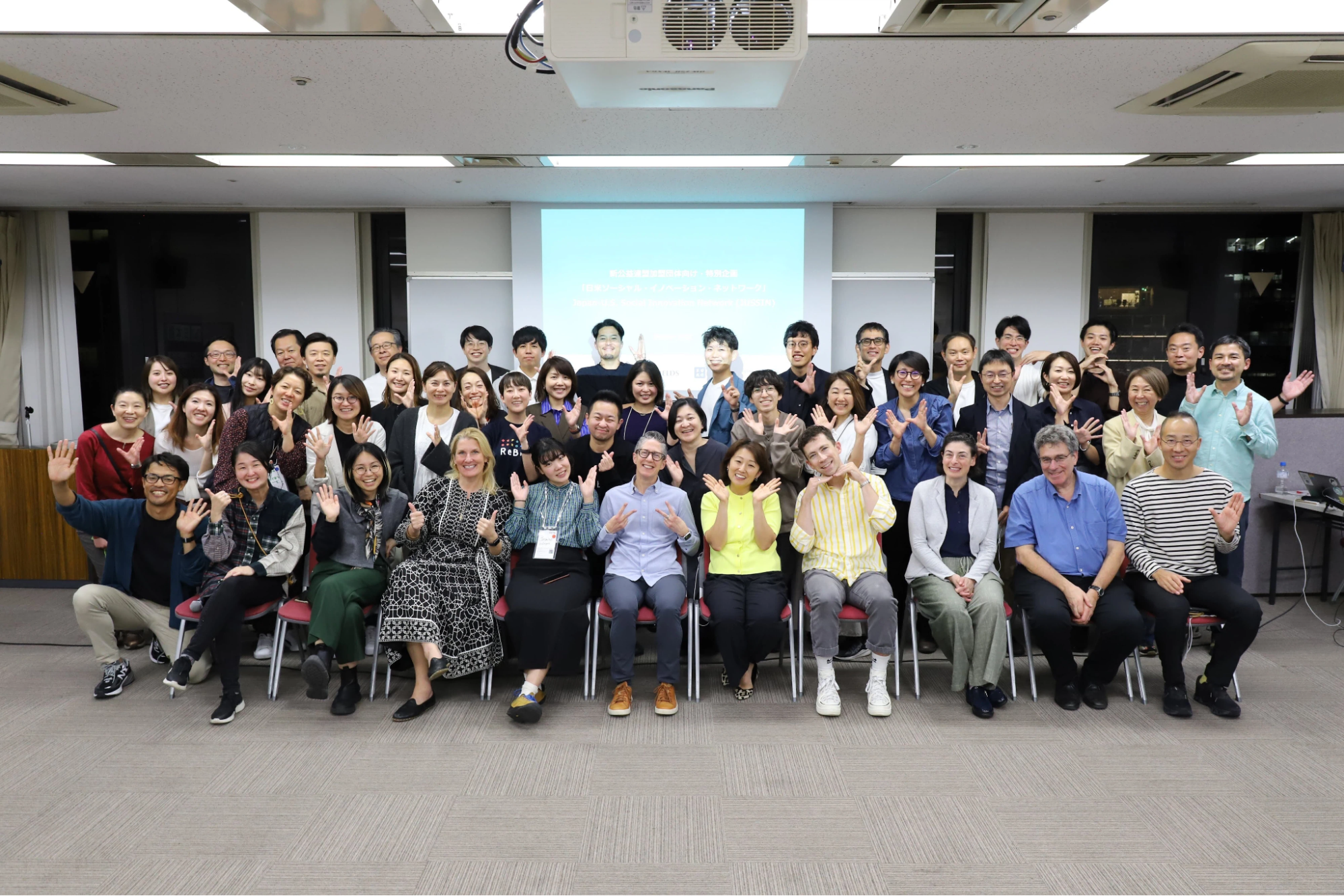
The Japan-U.S. Social Innovation Network (JUSSIN) is a bilateral initiative connecting social sector leaders to solve shared challenges like disaster resilience and youth empowerment. Through bilingual learning sessions, in-person convenings, and thematic working groups, the project builds leadership capacity and fosters sustained cross-border collaboration. By bridging distinct perspectives, the initiative transforms mutual learning into concrete social action. Ultimately, JUSSIN creates a durable platform where leaders co-design scalable solutions, strengthening the social innovation ecosystems in both nations.
Location: Tokyo, Japan
Grant Awarded: $470,000 over three years
"Bridging Borders and Disciplines" is a collaborative initiative between Our Wave and Dr. Sachiko Kita, strengthening U.S.-Japan partnerships to address gender-based violence through survivor-centered recovery. The project features a bilingual international conference in Tokyo and the "Waves of Hope" virtual art exhibition to amplify survivor voices through creative expression. By bridging academia, technology, and the arts, the initiative fosters cross-cultural dialogue to inform a culturally responsive digital healing platform. This project promotes global best practices in trauma-informed care.
Location: Raleigh, NC
Grant Awarded: $25,000
This narrative short film and transmedia initiative explores the Japanese American incarceration during World War II. Set in 1942 Los Angeles, the story centers on the allyship between an African American journalist and a Japanese American family impacted by Executive Order 9066. By highlighting shared histories of discrimination and resilience, the project fosters cross-cultural empathy and dialogue. Through international screenings and educational materials, the initiative strengthens U.S.-Japan relations by addressing complex historical legacies through a lens of human connection.
Location: Lorton, VA
Grant Awarded: $20,000
This is a research initiative exploring the role of professionals who bridge the gap between social problem-solving and business growth. A collaboration between Soil Foundation and UNERI, the project investigates and analyzes advanced cases from various countries, including Japan and the United States, to produce a bilingual white paper defining the roles and essential skills of these practitioners. By hosting a symposium in Tokyo, the initiative establishes an international professional network and shares insights on integrating non-financial value into business development. This project promotes the formation of an ecosystem that supports sustainable social implementation and informs policy discussions.
Location: Aichi, Japan
Grant Awarded: ¥10,000,000 over two years
The "Learning and Exchange Project on Developing Political Leaders" is a bilateral initiative by the Japan Youth Council to revitalize youth political participation. Representatives will visit prominent U.S. civic organizations to study leadership development and innovative civic education models. These insights will directly inform the "Youth Candidacy Development Project 2030," preparing young and female candidates for Japan’s 2027 local elections. By facilitating mutual learning and resource sharing, the project strengthens democratic resilience and cultivates a new generation of transnational leaders in both nations.
Location: Tokyo, Japan
Grant Awarded: $25,000
"The Pioneer’s Manuscript" is an interdisciplinary storytelling initiative exploring historical and contemporary narratives of Black pioneers in Japan. Through field research, photography, and bilingual interviews, artist Cameron Peagler documents the experiences of Black creatives and entrepreneurs alongside their Japanese collaborators. This project challenges erasure and promotes intercultural understanding by tracing historical legacies and showcasing modern partnerships. By hosting exhibitions in both nations, the initiative strengthens grassroots ties and inspires a more inclusive future for U.S.-Japan relations.
Location: Alexandria, VA
Grant Awarded: $25,000
This project establishes the Japan Aging-well Cohort Study (JACS), creating a foundation of a large-scale epidemiological cohort on home-medical care in Japan focused on patients' and caregivers' well-being, collaborating with Yamato Medical Group, which operates 14 clinics in medically underserved areas in Japan. It aims to bridge research and practice between Japan and the U.S. through comparative analysis of healthcare systems and other data analysis. The goal is to generate evidence and develop globally applicable, evidence-based methods to improve health and well-being in super-aging societies.
Location: Chiba, Japan / Boston, MA
Grant Awarded: $158,411 over two years
The Perennial Gathering 2026 is a residential leadership experience in Karuizawa, Japan, designed to foster deep cross-Pacific collaboration. Bringing together 300 global leaders, the Gathering prioritizes facilitated dialogue and peer-led exchange over traditional presentations in order to build trust, deepen relationships, and support systems change. Participants engage in small, facilitated cohorts to explore themes like sustainable leadership, drawing inspiration from Japanese stewardship traditions. By creating a trust-centered space for person-to-person exchange, the Gathering strengthens enduring U.S.-Japan connections and advances mutual understanding.
Location: Seattle, WA
Grant Awarded: $14,810.40