2025 Third Quarter

NAJAS
National Association of Japan-America Societies

This project aims to create a crowd-maintained, user-friendly interactive online hub for Japan-related organizations (JROs) in the U.S. and Japan. It addresses the disparate JRO network and the need for efficient collaboration and information sharing within the dwindling funding environment. The hub will feature initial organizational profiles and event calendars, with future expansions to include expert, alumni, and grant inventories. This initiative seeks to foster enhanced collaboration, joint programming, and mutual understanding across the bilateral relationship.

Location: Washington, D.C.
Grants Awarded: $59,885
Read More
action-against-child-exploitation
Action against Child Exploitation (ACE)

This project, led by ACE (Action against Child Exploitation), aims to renew global commitments to eliminate child labour (SDG Goal 8, Target 7), which is currently far from realization. Through U.S.–Japan CSO collaboration, the initiative will strengthen advocacy at two key 2025 UN forums: the High-Level Political Forum in July and the Business and Human Rights Forum in November. A core objective is to introduce the Child Labour Free Zone concept as a scalable, area-based solution to combat child labour globally.

Location: Tokyo, Japan
Grant Awarded: $25,000

social-impact-management-initiative
Social Impact Management Initiative

This research, led by SIMI and Keizai Doyukai, explores corporate ESG management models, focusing on integrating social value creation with business activity in Japan and the U.S. It aims to conceptualise how addressing social issues can drive corporate value. Through a literature review of ESG frameworks and comparative case studies (approximately five from each country), the project seeks to propose a new business model that generates synergy between economic and social value.

Location: Tokyo, Japan
Grant Awarded: $90,000

mobility-for-humanity
Mobility For Humanity

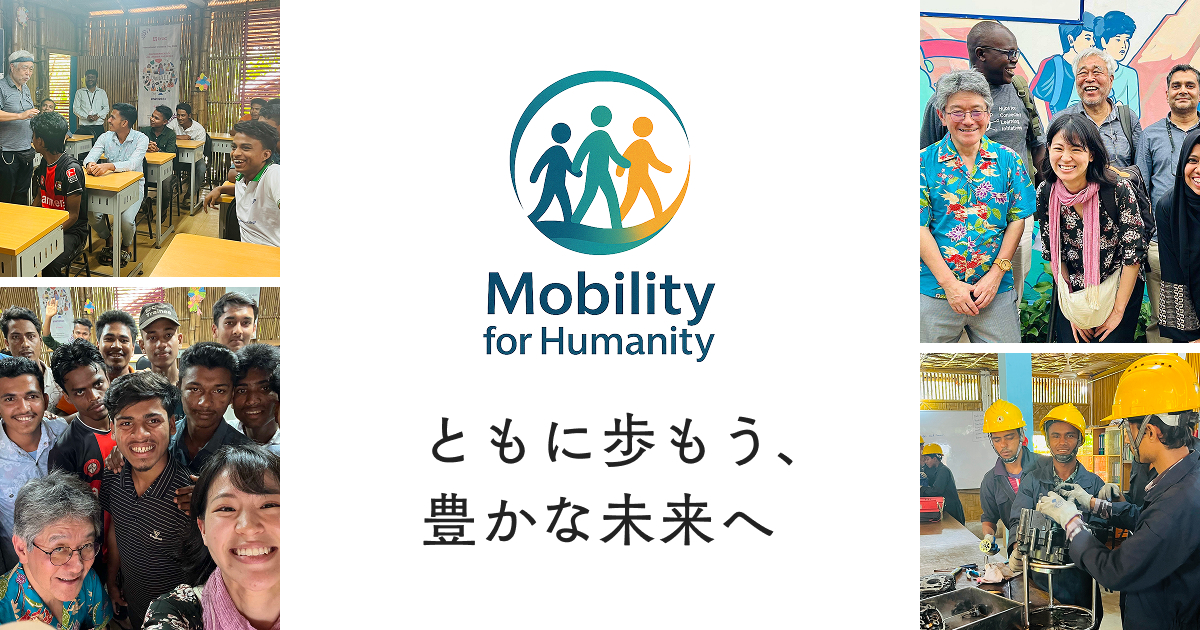
Mobility for Humanity is launching "Pathways to Prosperity," a pilot initiative to create an ethical employment-based migration pathway for displaced youth. Leveraging Japan’s work-related visa system, the project aims to facilitate the migration and integration of 10 Afghanistan / Rohingya refugee youths from Bangladesh to rural Japan, providing training and job placement. This multi-stakeholder initiative seeks to establish a replicable model for refugee workforce inclusion, strengthening U.S.-Japan humanitarian-development cooperation and fostering long-term social and workplace integration.

Location: Tokyo, Japan
Grant Awarded: $20,000

sister-cities-international
Sister Cities International

This programme aims to foster innovative city-to-city partnerships as 'living laboratories' to address pressing global issues like climate change, depopulation, and immigration. Through a competitive process, communities will engage in collaborative, cross-border dialogue, leveraging "subnational diplomacy" to create long-term social impact. This initiative builds upon the strong U.S.-Japan relationship and their extensive sister city connections, promoting stability and shared solutions.

Location: Washington, D.C.
Grant Awarded: $55,000

giving-tuesday
Giving Tuesday

This initiative aims to accelerate the global generosity movement in Japan by establishing a central hub for studying, supporting, and promoting philanthropic activities. It focuses on understanding deeply rooted Japanese traditions and cultures of giving through a digital storytelling campaign, leading to the creation of a public database and the Japanese Wing of the World Giving Library. The project seeks to inform givers and grantmakers, enable civil society leaders and youth, and inspire greater civic action across communities.

Location: Brooklyn, NY
Grant Awarded: $82,620

milpitas-high-school
Milpitas High School

The Milpitas High School Extension at the Innovation Campus is executing a 9-day STEM-focused trip to Japan in Spring 2026 for 36 engineering students. The initiative specifically targets underrepresented Black, Latino, and female students to help bridge the diversity gap in the tech workforce. The core objective is to expose participants to Japan’s world-renowned advancements in robotics and engineering. The immersive itinerary includes visits to cutting-edge research facilities, such as Miraikan and Tsukuba Science City, balanced with cultural experiences.

Location: Milpitas, CA
Grant Awarded: $20,000

01
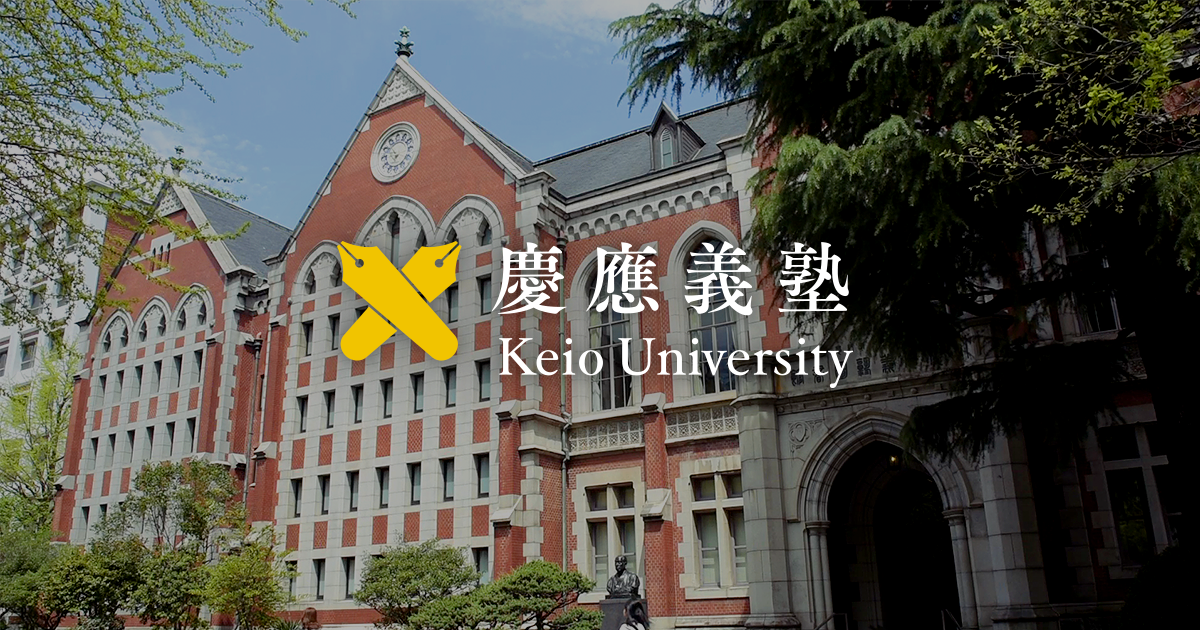
Keio University

This Keio University program aims to strengthen Japan’s NPO and social sector ecosystem for maximum impact. It offers practical, MBA-level management education, fosters cross-sectoral connections between NPOs, government, and business, and builds a global network linking Japan and the U.S. The program is designed for leaders and aspiring entrepreneurs from NPOs, as well as managers from companies and the government.

Location: Tokyo, Japan
Grant Awarded: $750,000 over three years

laurasian-institution
Laurasian Institution

The Mineta-Simpson Pathways to Cooperation Program is a 10-month exchange linking 10 U.S. students from the Heart Mountain area, including Native American reservations, with students in Japan. Honoring the legacy of Secretary Mineta and Senator Simpson, the project fosters mutual respect, cooperation, and bridge-building across cultural divides. Activities include extensive educational sessions, a two-week study tour to Japan (homestays, cultural sites, school visits), and final student presentations at Heart Mountain.

Location: New Rochelle, NY
Grant Awarded: $15,000

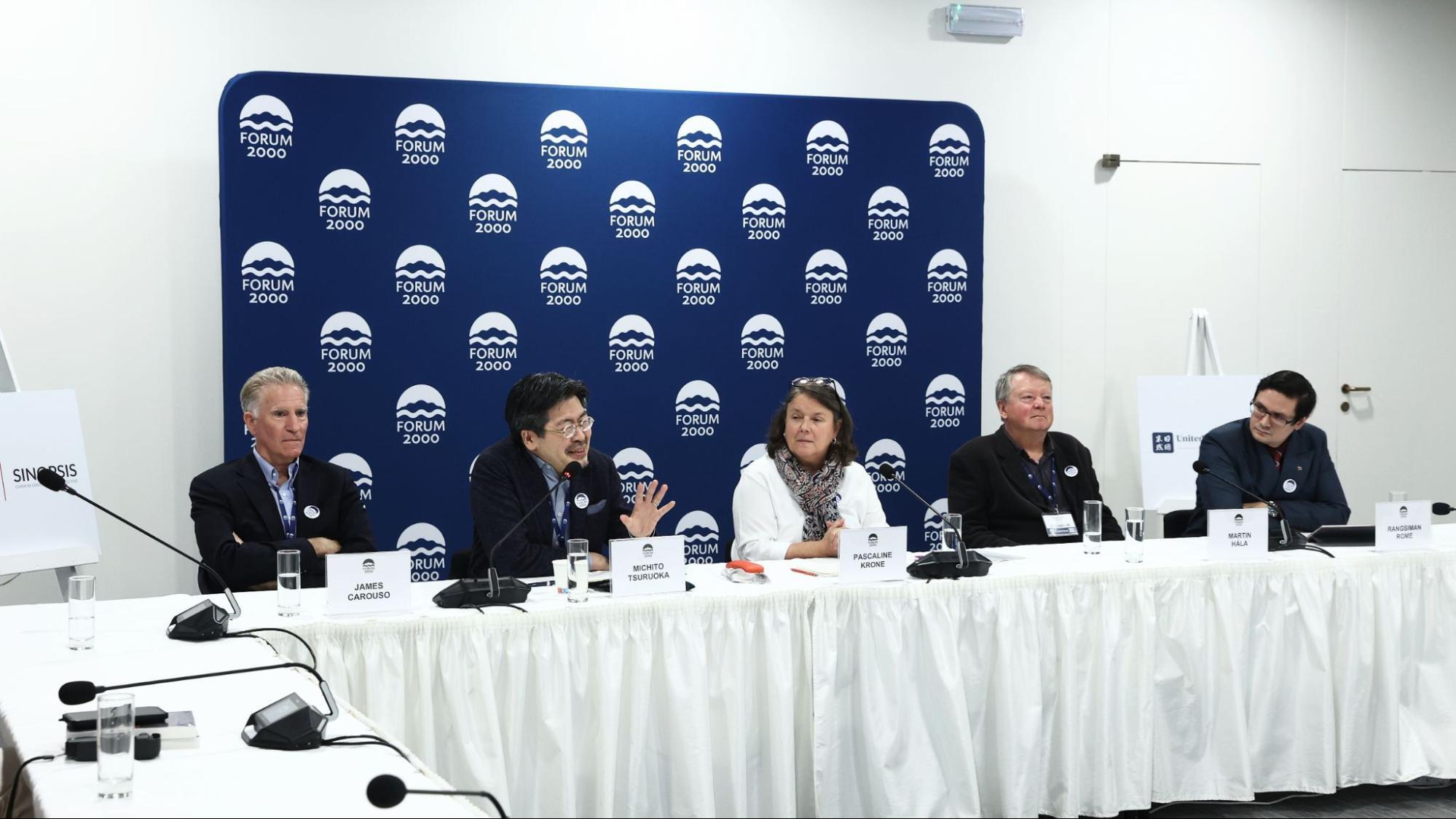
forum-2000-foundation
Forum 2000 Foundation

The Forum for Democracy Cooperation (FDC), proposed by Forum 2000, aims to address the global democratic recession by establishing a cohesive, resilient network. FDC will convene high-level democratic stakeholders, including policymakers and civil society, from the US, Japan, and Indo-Pacific in a trusted, neutral space. The goal is to align strategies, reinforce shared values, and develop concrete actions to counter democratic backsliding. The pilot phase launches at the 2025 Forum 2000 Conference in Prague.

Location: Prague, Czech Republic
Grant Awarded: $25,000

weeds
Weeds

This project, implemented by Weeds, responds to the recent move toward introducing joint custody in Japan. It aims to reduce parental conflict and protect children’s rights after divorce by developing a culturally appropriate educational program for parents, inspired by U.S. models such as P.A.C.T. The initiative involves gathering voices and needs from 100 families, including 50 low-income and other diverse households, while providing free support to them. It also disseminates the findings to raise public awareness, improve support systems in Japan, and promote mutual understanding between Japan and the United States.

Location: Chiba, Japan
Grant Awarded: ¥3,000,000

JFRA
Japan Fundraising Association

Empower Giving: Building Japan’s Philanthropy Advisors Framework

This two-year project aims to establish Japan's first structured training and certification program for philanthropy advisors, modeled after the U.S. Chartered Advisor in Philanthropy (CAP) system. It will equip professionals from financial institutions and legal fields with expertise to support high-net-worth individuals (HNWIs) in making strategic and impactful philanthropic contributions. By professionalising philanthropy advising, it seeks to foster strategic giving, maximise social impact, and strengthen U.S.-Japan relations.

Location: Tokyo, Japan
Grants Awarded: $198,000 over two years

Trust and Impact: Advancing Innovative Funding Practices in Japan

This three-year project, "Trust and Impact: Advancing Innovative Funding Practices in Japan", aims to advance Japan’s philanthropic landscape by introducing U.S. insights, particularly trust-based and strategic philanthropy, to the Japanese context and providing applicable knowledge. It will engage foundations, corporations, and high-net-worth individuals (HNWIs) to promote flexible, collaborative, and impact-driven funding. Through research, seminars, workshops, and practitioner networks, the initiative seeks to refine funding practices, accelerate social innovation, and strengthen U.S.-Japan philanthropic collaboration, positioning both nations as leaders in social change.

Location: Tokyo, Japan
Grants Awarded: $165,000 over three years

international-documentary-association
International Documentary Association

The "Downtown Famous" documentary film project traces the life, myth, and legacy of DJ Hiro, a Japanese cultural pioneer who fled his home and became central to 1990s New York hip-hop and fashion. The film explores how Hiro catalyzed cultural exchange and shaped the American scene before introducing Supreme and hip-hop to Tokyo. The project ultimately investigates the mysterious circumstances of his death, aiming to provide recognition and emotional closure to his community.

Location: Los Angeles, CA
Grant Awarded: $25,000

the-shin-koyamada-foundation
The Shin Koyamada Foundation

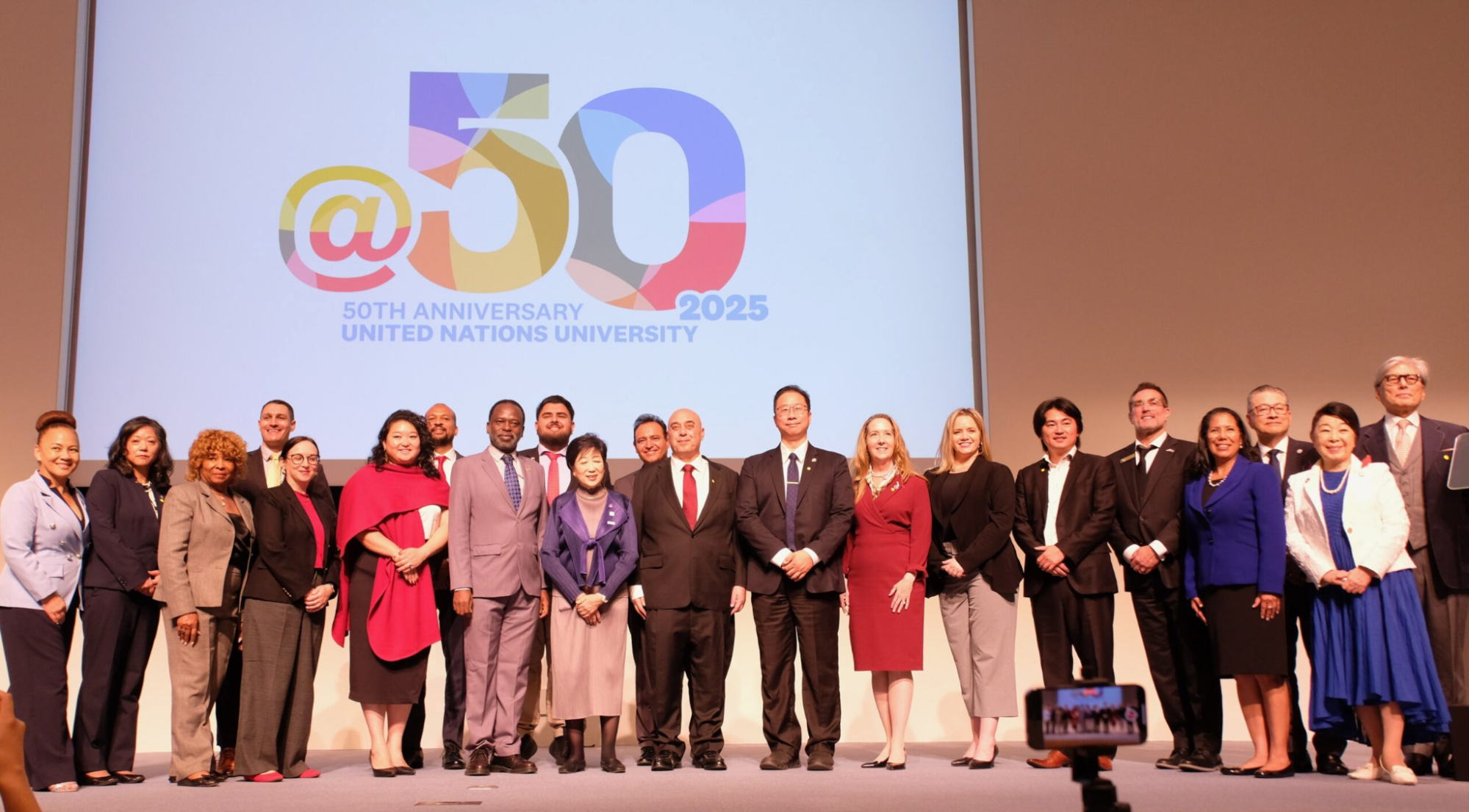
The Japan-United States Sister City Association (JUSSCA) is organising the 2025 Japan-U.S. Leadership Summit to enhance subnational diplomacy and revitalise sister-city partnerships. A delegation of approximately 20 U.S. local officials will engage with Japanese counterparts across Osaka, Yamanashi, and Tokyo. Focused on the theme “AI & Smart Cities for a Sustainable World”, the project includes visits to Expo 2025 Osaka and high-level dialogues at the United Nations University. This initiative facilitates knowledge exchange on innovation and sustainability to strengthen long-term bilateral community ties.

Location: Burbank, CA
Grant Awarded: $18,000

Join Our Mailing List

Submit Newsletter Form
Join us to stay connected and be the first to hear about our latest grants, projects, events and more.